

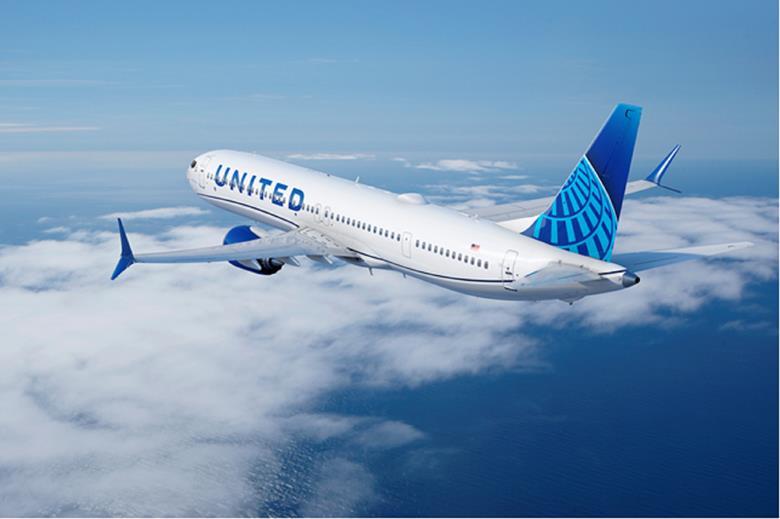
United Airlines said it is looking to take delivery of over 250 aircraft by April 2028, making it the largest two-year fleet expansion by any airline as it pushes to strengthen its premium offering and modernise its operations.
The order spans a mix of widebody, narrowbody and regional aircraft, including 47 Boeing 787-9 Dreamliners, 119 Boeing 737 MAX jets, 40 Airbus A321neo “Coastliners” out of 50 on order, 28 Airbus A321XLRs out of 50 and additional A321neos. The expansion will significantly reconfigure the airline’s fleet, with older aircraft such as Boeing 757s being replaced while increasing the share of newer, fuel-efficient models. The new planes will boost premium seat capacity across domestic and international networks, the airline said in a press release.
A key element of the strategy is the introduction of widebody-style cabins on narrowbody aircraft. The new A321neo Coastliner subfleet, designed for high-demand transcontinental routes, will operate between United’s west coast hubs in San Francisco and Los Angeles and Newark/New York. These aircraft will feature lie-flat Polaris seats with direct aisle access, previously on long-haul flights, bringing a premium experience to domestic routes. The A321XLR, meanwhile, will be deployed on international short- to medium-haul routes, replacing 757s and opening new destinations in Europe and South America.
On the long-haul side, the new Boeing 787-9 Dreamliners will feature United’s “Elevated” interior, including a larger premium cabin and the introduction of Polaris Studio suites. These aircraft are expected to be used on key international routes, with the first scheduled to operate between San Francisco and Singapore.
United is also investing in its regional network through the introduction of Bombardier’s CRJ450, a redesigned 41-seat jet aimed at connecting smaller cities to major hubs such as Denver and Chicago. The aircraft will offer a more premium configuration, including an expanded first-class cabin, as the airline seeks to improve the customer experience across its entire network.
The scale of the fleet renewal will increase premium seating across United’s aircraft, with the airline expecting to nearly double its number of lie-flat seats compared with its nearest competitor. It also builds on the carrier’s “United Next” strategy, under which it has already added hundreds of aircraft and increased premium capacity on North American routes by 40%.
Chief executive Scott Kirby said the airline was accelerating a long-term investment programme to strengthen its brand and customer loyalty, adding that United is aiming to deliver a more consistent, high-end experience across all cabins. He said the new aircraft and onboard products would help the airline stand out in an increasingly competitive market.
Alongside new aircraft, United is rolling out upgrades across the customer experience, including Starlink Wi-Fi, larger seatback screens and enhanced onboard amenities. The airline said these investments, combined with its fleet expansion, would position it to capture growing demand for premium travel while improving efficiency and network flexibility.