

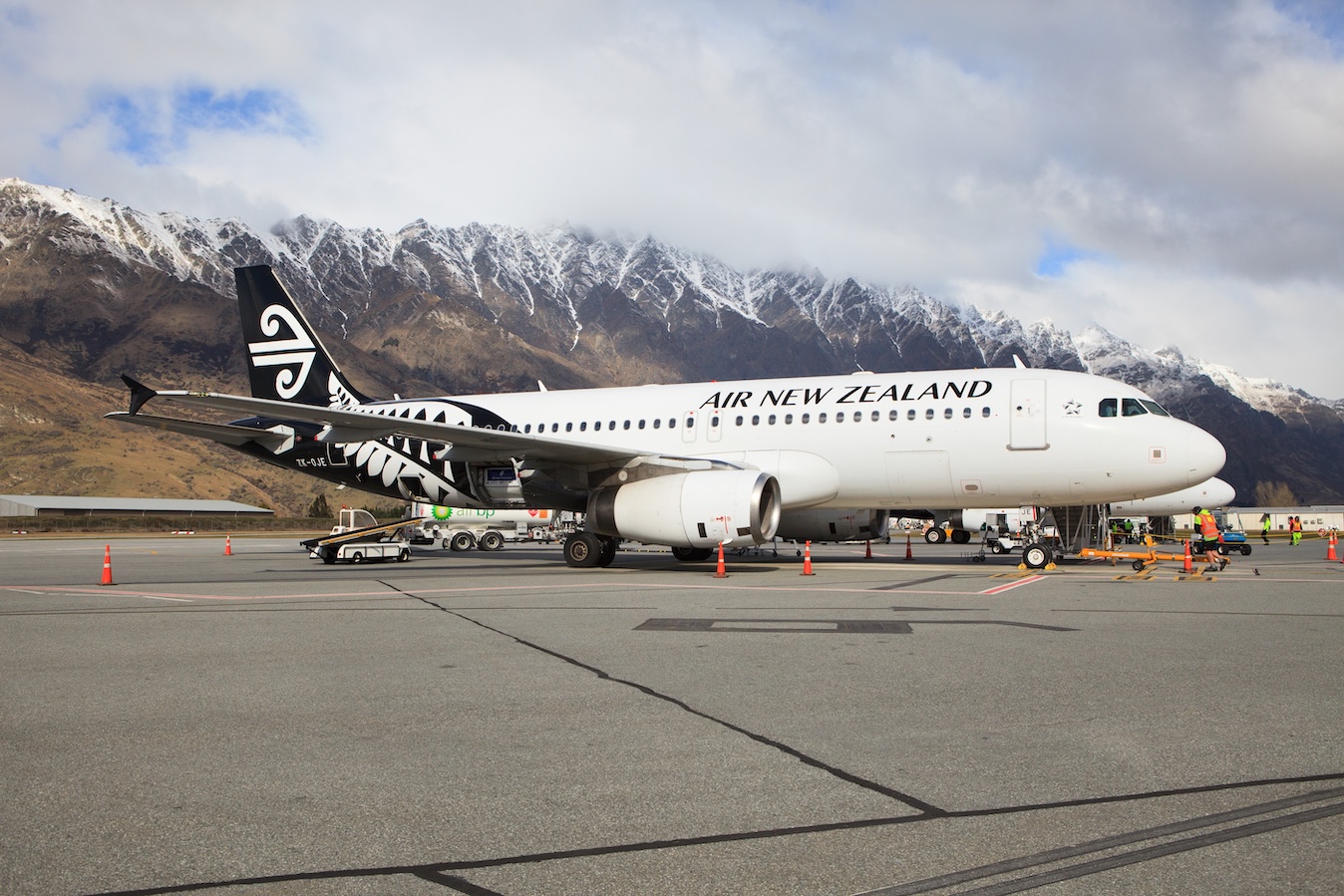
Rising jet fuel prices are forcing airlines to raise fares and cut flights — but governments may not accept reduced connectivity. New Zealand has warned Air New Zealand that maintaining service is “non-negotiable”.
The New Zealand government has signalled that maintaining air connectivity is a national priority despite rising jet fuel costs that have already forced airlines to raise fares and cut flights.
Finance Minister Nicola Willis said it was “non-negotiable” that Air New Zealand continues operating as global fuel markets tighten.
“We view our critical airline infrastructure as essential. New Zealand remaining open and connected to the world through air flight is really important, not just for New Zealanders coming here or wishing to travel, but most importantly also for our air freight,” Willis said.
Her comments follow Air New Zealand’s decision to increase one-way economy fares by between $10 and $90 and cancel around 1,100 flights across its domestic and international networks between March 16 and May 3 as fuel costs rise.
Willis said there were already fewer airlines flying, particularly out of the Middle East, which would reduce global demand for jet fuel.
As prices rise further, she said, many airlines may reduce their flight schedule, which should mean that demand and supply can reach an equilibrium.
The government maintains that fuel supplies remain stable, with about 47 days of jet fuel cover currently available in New Zealand.
“We are not going to run out any time soon,” Willis said.
Industry leaders, however, warned that further fare increases may be necessary unless costs fall. Aviation Industry Association chief executive Simon Wallace said airlines could require temporary relief from government charges.
“The CAA is almost fully funded by industry levies and services. Such levies represent tens of millions of dollars for Air NZ alone. The Government stepped in during Covid to support the sector in this way with no compromise of services,” Wallace said.
Barrier Air chief executive Grant Bacon also called for relief on aviation charges to help airlines offset rising fuel costs.
“This would provide some margin that we can then deploy towards our fuel bill in order to maintain full operations to our remote regional communities,” Bacon said.