

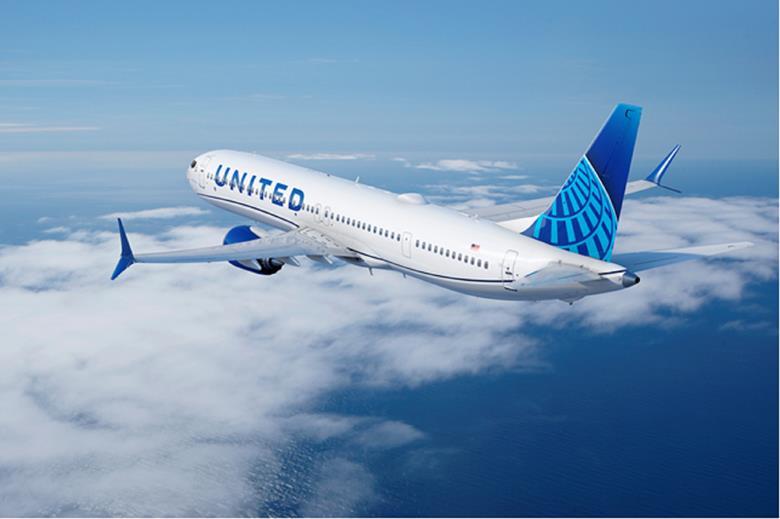
JP Morgan analysts have said a possible United Americans and American Airlines “makes sense” beyond just an increase in size.
The report comes after a recent Bloomberg report that United Airlines CEO Scott Kirby had floated the idea of a merger with American Airlines.
“American’s profit contribution to that of the Big 3 is measured in the single digits; <4% in 2025, whereas its pre-war 2026 guide implied an improvement to 12%,” said JP Morgan analysts Mark Streeter and Jamie Baker.
The analysts said that consolidation can lead to more disciplined capital deployment and can lead to hub rationalization.
“American did not engage in the type of hub rationalization as most preceding mergers,” Streeter and Baker said.
The analysts have also pointed to American’s labour unions expressing “dissatisfaction” with the airline’s management.
“American’s Covid-related retirements resulted in a paucity of widebodies ahead of an international demand resurgence,” said the analysts. “American management also didn’t appreciate the pending impairment of Discount airlines, and continued to de-content its product while Delta and United invested.”
A merger would also support loyalty revenues, with greater scale meaning greater credit remuneration. Delta’s partnership with American Express has proven incredibly lucrative, with remuneration soaring 11% to a record $8.2bn in 2025.
The analysts said that the merger may not prove a cure-all for American, but that they are “simply not surprised” that the airline may be seeking an M&A deal. They added that a deal with United were not to emerge, another may come from an activist investor or another airline.
With rising fuel prices, profit margins in the airline industry are being narrowed further. Delta’s CEO Ed Bastian said in its full-year 2025 earnings call last month that a large number of airlines are unable to return their cost of capital. These market conditions could lead to an industry shake-up. Kirby had also hinted at further consolidation in the industry at JP Morgan’s recent Industrials Conference and in an interview with Bloomberg.
Transportation Secretary Sean Duffy said last week that there is “room for some mergers” in the aviation industry, noting that US President Donald Trump “loves to see big deals happen”. A United-American merger would certainly fall under the ‘big deal’ category.
Furthermore, JetBlue is reportedly examining possible merger deals under the new administration. The airline failed to merge with Spirit Airlines in 2024 as a result of regulators blocking the deal under the previous administration. Some analysts have previously noted their belief that the new Trump administration is less stringent and more permissible in its approach to merger approvals than its predecessor. Of course, major airline deals are still expected a significant level of regulatory scrutiny.
A United-American merger without regulatory carveouts would “represent a clear and present danger to Delta’s margin superiority”, said the analysts. The merger would threaten Delta’s margin dominance in key hubs such as New York, Chicago, and LA.
“We’d also posit that a meaningfully-profitable United in such a proximity to Atlanta, an area where United has never had much brand presence, would not be in Delta’s best financial interest,” said Streeter and Baker.
Delta would also face increased competition in loyalty programmes. However, the analysts said that were this merger to come to fruition, it is highly likely that remedies would be put in place to limit the competitive downside for Delta.
“Maybe United’s interest in American is merely a tactic to get the smaller deal over the finish line,” said Streeter and Baker. “But in a scenario where United-American comes to fruition, we’d argue JetBlue’s merger prospects become more uncertain. It’s challenging (but not impossible) for us to imagine a JetBlue suitor willingly stepping into the JFK and South Florida markets at a time when United’s relevance (loyalty, corporate share, etc) is on the cusp of materially increasing.”
The analysts made downgrades to select United and JetBlue credit ratings from overweight to neutral, given the execution risk and uncertainty surrounding M&A. No changes were made to equity ratings for now since many questions on the potential for these deals are still unclear.